Date of Original Release: August 1, 2026. Date of most recent review: July 18, 2026. Termination date: August 1, 2029.
Accreditation: EB Medicine is accredited by the Accreditation Council for Continuing Medical Education (ACCME) to provide continuing medical education for physicians.
Credit Designation: EB Medicine designates this enduring material for a maximum of 4 AMA PRA Category 1 CreditsTM. Physicians should claim only the credit commensurate with the extent of their participation in the activity.
Specialty CME: Not applicable. For more information, please call Customer Service at 1-800-249-5770.
AAFP Accreditation: The AAFP has reviewed Evidence-Based Urgent Care and deemed it acceptable for AAFP credit. Term of approval is from 11/01/2025 to 10/31/2026. Physicians should claim only the credit commensurate with the extent of their participation in the activity. This session, Urgent Care Management of Patient With Prior Bariatric Surgery, is approved for 4.0 enduring material AAFP Prescribed credits.
AOA Accreditation: Evidence-Based Urgent Care is eligible for 4 Category 2-B credit hours per issue by the American Osteopathic Association.
Needs Assessment: The need for this educational activity was determined by a practice gap analysis; a survey of medical staff; review of morbidity and mortality data from the CDC, AHA, NCHS, and ACEP; and evaluation responses from prior educational activities for urgent care and emergency medicine physicians.
Target Audience: This internet enduring material is designed for physicians, physician assistants, nurse practitioners, and residents in the urgent care and family practice settings.
Goals: Upon completion of this activity, you should be able to: (1) identify areas in practice that require modification to be consistent with current evidence in order to improve competence and performance; (2) develop strategies to accurately diagnose and treat both common and critical urgent care presentations; and (3) demonstrate informed medical decision-making based on the strongest clinical evidence.
CME Objectives: Upon completion of this article, you should be able to: (1) describe the most common bariatric procedures performed in the United States and the potential early and late complications; (2) conduct a thorough history and physical examination on patients with prior bariatric surgery who present with abdominal pain, with consideration of a broad differential diagnosis; (3) apply current testing recommendations for patients with prior bariatric surgery who present with acute abdominal pain; and (4) recognize which patients with prior bariatric surgery require emergent intervention and anticipate potential postsurgical complications.
Discussion of Investigational Information: As part of the activity, faculty may be presenting investigational information about pharmaceutical products that is outside Food and Drug Administration approved labeling. Information presented as part of this activity is intended solely as continuing medical education and is not intended to promote off-label use of any pharmaceutical product.
Disclosure: It is the policy of EB Medicine to ensure objectivity, balance, independence, transparency, and scientific rigor in all CME activities. All individuals in a position to control content have disclosed all financial relationships with ACCME-defined ineligible companies. EB Medicine has assessed all relationships with ineligible companies disclosed, identified those financial relationships deemed relevant, and appropriately mitigated all relevant financial relationships based on each individual’s role(s). Please see disclosures for this activity below:
Planner: Tracey Quail Davidoff, MD (Editor-in-Chief): AstraZeneca (consultant/advisor); GSK (consultant/advisor).
Earning Credit: Learners can earn credit by going to www.ebmedicine.net and selecting the test they wish to complete. To receive credit, they must score 100% on the test and complete the evaluation. After completing these steps, a CME certificate will be emailed to them.
Additional Policies: For additional policies, including our statement of conflict of interest, source of funding, statement of informed consent, and statement of human and animal rights, visit https://www.ebmedicine.net/policies.
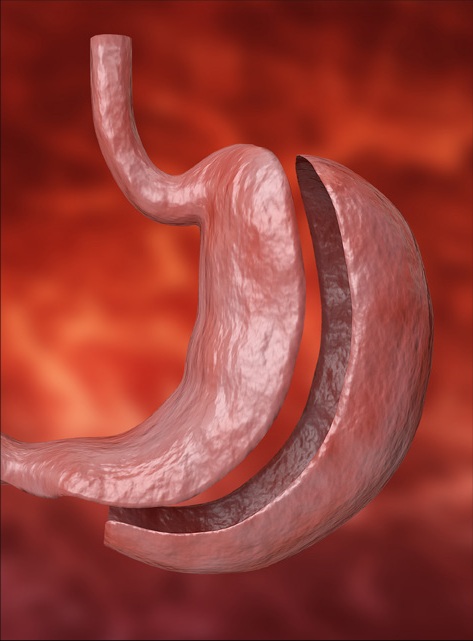
EB Medicine’s clinical content is developed and independently peer reviewed by expert practicing clinicians. Generative or AI-assisted tools may not be used to create substantive clinical content, including manuscripts, clinical pathways, recommendations, or clinical interpretations. AI-assisted tools may not independently generate clinical images used for diagnosis or clinical decision-making and may not be listed as authors or sources of clinical judgment. AI-enabled tools may be used in a limited manner to support research, organization, and production workflows and to create or edit illustrations, graphics, or charts. All AI-assisted materials undergo review and approval by qualified clinician authors and editors prior to publication. The cover image for this issue was created with generative AI under license from Adobe Stock and was reviewed and approved by clinician authors and editors. For more information, go to www.ebmedicine.net/AI.
 678-366-7933


 Store
Store