678-366-7933


 Store
Store

Points & Pearls • Free Excerpt
Foreign Body Ingestions in Pediatric Patients: Management in the Emergency Department
Review key clinical takeaways from the accompanying Pediatric Emergency Medicine Practice issue.
Points & Pearls Excerpt
- Though not typically indicated for foreign body ingestions, baseline laboratory studies or toxicology screening testing are warranted for certain ingestions (eg, lead-containing objects or polyingestion in the setting of self-harm).35,37,38
- Most pediatric foreign body ingestions are unwitnessed. Do not rely on history alone. If ingestion is suspected, obtain appropriate radiographs even when caregivers are unsure whether anything was swallowed.1,6,9-11,14,31
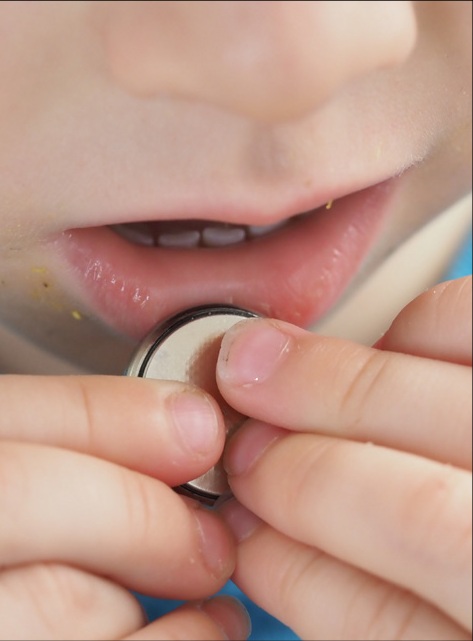
- Maintain a low threshold to evaluate for complications from sharp or hazardous foreign bodies. Intentional ingestions, glass, sharp objects, and batteries can cause perforation, fistula formation, or vascular injury. Imaging and early consultation are appropriate when symptoms or history raise concern.3,11-13
Continue Reading the Companion Article
Already have access through your EB Medicine subscription?
Log in to continue to the companion article.