678-366-7933


 Store
Store


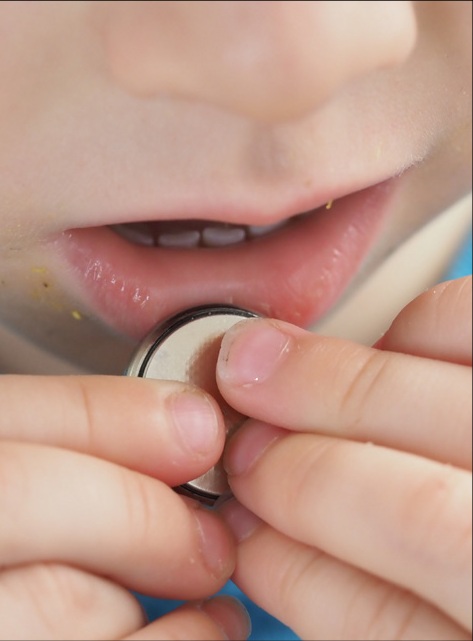
Foreign Body Ingestions in Pediatric Patients: Management in the Emergency Department
What ED Clinicians Need to Know
Foreign body ingestion is a common pediatric ED complaint, accounting for approximately 36,000 ED visits per year in the United States, with most ingestions occurring in children aged <5 years. This issue provides a systematic, evidence-based approach to evaluating and managing foreign body ingestions in pediatric patients, including recognition of the objects that are associated with the greatest risk for morbidity and mortality: button batteries, multiple magnets, superabsorbent polymer beads, and sharp or large/long objects.
Management is guided by clinical pathways that account for the patient's age; the type, size, and location of the object; the presence of symptoms; and the time since ingestion and ranges from outpatient observation with serial imaging to urgent endoscopic or surgical removal. The issue also reviews prehospital care, appropriate imaging studies, mitigating treatments (eg, honey and sucralfate for button batteries and osmotic laxatives for superabsorbent beads), special populations at increased risk, and caregiver education strategies to help prevent future ingestions.
Why This Topic Matters in the ED
- Foreign body ingestion is a frequent pediatric ED presentation, and while most ingestions pass without intervention, high-risk objects, including button batteries, multiple magnets, sharp objects, long/large objects, and superabsorbent polymer beads, can cause serious gastrointestinal, airway, or vascular injury.
- A substantial proportion of children with foreign body ingestion are asymptomatic at presentation, so history and imaging, rather than symptoms alone, should guide the decision to evaluate and treat.
- Button battery ingestion can cause esophageal tissue necrosis in as little as 2 hours, making rapid recognition and time-sensitive removal critical.
- Superabsorbent polymer beads and rare-earth magnets have emerged as increasingly common and dangerous ingestions, and their management differs substantially from more familiar foreign bodies such as coins.
- Clinical practice guidelines for foreign body ingestion are based on relatively low-quality evidence, so a standardized, pathway-based approach helps emergency clinicians make consistent decisions and avoid potentially unnecessary interhospital transfers.
Clinical Content at a Glance
Clinical Q&A
- What is the best initial approach to evaluating a child with suspected foreign body ingestion?
- Most ingestions are unwitnessed, so history alone cannot be relied upon. Multiview radiographs of the neck, chest, and abdomen are the recommended first-line imaging (even for objects that may be radiolucent) to identify the type and location of the object and guide management.
- Which ingestions carry the highest risk for serious complications?
- Button batteries, multiple magnets (or a magnet plus another metallic object), sharp or large/long objects, and superabsorbent polymer beads pose the greatest risk for tissue necrosis, perforation, obstruction, or vascular injury and require prompt recognition and management.
- When should mitigating treatments such as honey, sucralfate, or osmotic laxatives be used?
- Honey or sucralfate can be given for suspected button battery ingestion to decrease esophageal tissue injury without delaying endoscopy, and osmotic laxatives may be used for superabsorbent polymer bead ingestion to decrease bead size and the risk for obstruction.
- How does management differ for coins, button batteries, magnets, and sharp/large objects?
- Management depends on the object type, its location, the patient's symptoms, and the time since ingestion, and ranges from outpatient observation with serial imaging for asymptomatic coin or single-magnet ingestions to emergent endoscopic or surgical removal for esophageal button batteries, multiple magnets, or symptomatic sharp/large objects.
- Which patients need mental health evaluation after foreign body ingestion?
- Older children who intentionally ingest foreign bodies as a form of self-harm warrant mental health evaluation and screening for suicidality and self-injury risk.
Case Snapshots
CASE 1 — Potential Button Battery Ingestion: A 10-month-old boy is brought in after his grandfather notices a battery missing from his hearing aid. There was no witnessed ingestion, and the patient does not have symptoms. The issue discusses the imaging and observation approach for suspected, unwitnessed button battery ingestion in an asymptomatic infant.
CASE 2 — Superabsorbent Polymer Bead Ingestion: A 2-year-old girl with abdominal pain and retching is brought in after swallowing beads from a broken toy. She has a bloated, diffusely tender abdomen on examination. The issue explores why ultrasound outperforms x-ray for identifying superabsorbent beads and how obstruction from bead ingestion is managed.
CASE 3 — Rare-Earth Magnet Ingestion: A 5-year-old boy has abdominal pain but no vomiting after swallowing 2 rare-earth magnets while gardening. The issue reviews the imaging findings and urgent management needed for multiple magnet ingestions.
Clinical Tools
- Differential diagnosis table for foreign body ingestion by respiratory, gastrointestinal, and other causes
- Table of definitions for large/long foreign bodies by patient age
- Button Battery Impaction Score table for prehospital risk stratification
- Radiographic and endoscopic examples: coin versus button battery on x-ray (halo/step-off signs), superabsorbent polymer beads on ultrasound, button battery ingestion with signs of distal obstruction, multiple magnet ingestion, and hairpin ingestion on endoscopy
- Clinical pathway for evaluation of pediatric foreign body ingestions in the ED
- Clinical pathways for ED management of coin ingestions, button battery ingestions, and sharp or long/large foreign bodies
- Link to the National Capital Poison Center's button battery guideline algorithm
Risk Management Pitfalls
- Relying on an unwitnessed history alone to rule out foreign body ingestion, rather than obtaining imaging when ingestion is suspected
- Withholding sucralfate for suspected button battery ingestion out of concern that it will delay endoscopy
- Attributing new respiratory or upper airway symptoms to a viral illness without considering an esophageal foreign body
- Obtaining only a single radiographic view, which can miss the halo/step-off signs that distinguish button batteries from coins, or fail to reveal that an apparent single magnet is actually multiple magnets
- Assuming a coin seen in the stomach will pass on its own without arranging follow-up imaging
Key References
Following are the most informative references cited in this paper, as determined by the author.
3. * Mubarak A, Benninga MA, Broekaert I, et al. Diagnosis, management, and prevention of button battery ingestion in childhood: a European Society for Paediatric Gastroenterology Hepatology and Nutrition position paper. J Pediatr Gastroenterol Nutr. 2021;73(1):129-136. (Position paper) DOI: 10.1097/MPG.0000000000003048
6. * Meyers ML, Moore MM, Baker JB, et al. ACR Appropriateness Criteria® ingested or aspirated foreign body–child. J Am Coll Radiol. 2026;23(1):143-158. (Review of appropriateness of imaging in evaluation for foreign bodies) DOI: 10.1016/j.jacr.2025.10.028
13. * Tran C, Nunez C, Eslick GD, et al. Button battery exposure in children: a systematic review and meta-analysis. Inj Prev. 2025;31(4):265-271. (Systematic review and meta-analysis; 44 studies, 3125 patients) DOI: 10.1136/ip-2024-045339
14. * Holtestaul T, Franko J, Escobar MA, et al. Pediatric ingestions. Surg Clin North Am. 2022;102(5):779-795. (Review) DOI: 10.1016/j.suc.2022.07.009
21. * Tran C, Nunez C, Eslick GD, et al. Complications of button battery ingestion or insertion in children: a systematic review and pooled analysis of individual patient-level data. World J Pediatr. 2024;20(19):1017-1028. (Systematic review and pooled analysis; 217 studies, 439 children) DOI: 10.1007/s12519-024-00833-y
29. * Sandifer S, Greene AC, Erturk Q, et al. The hidden dangers: superabsorbent polymer beads as a cause of bowel obstruction in children. J Surg Res. 2025;315:113-120. (Review) DOI: 10.1016/j.jss.2025.08.016
32. * Bollettini T, Migiatti A, Benigna A, et al. Water beads: expanding toy and 'new' problem for pediatric surgeons and community. J Paediatr Child Health. 2025;61(2):204-208. (Case report and literature review) DOI: 10.1111/jpc.16730
CME Information
- 4 CME credits (available for subscribers)
- Includes Trauma
- View complete CME Information here